



National Cholesterol Education Month: Cholesterol and Vegan Diets

It's National Cholesterol Education Month! Why's this important? Well, first of all let's talk about what cholesterol is and how it can impact your health. Cholesterol is a type of fat, and as you know there are good fats, such as unsaturated fats and omega-3 fatty acids, but there are also bad fats, such as saturated and trans fats. However, the term "cholesterol" alone is not a bad thing, it's just associated with a negative connotation because most people have high cholesterol, which can lead to other diseases and health risks.
"Good" Cholesterol & "Bad" Cholesterol
According to the CDC, approximately 38% of American adults have high cholesterol. As shared previously, there is "good" and "bad" cholesterol. The "good" cholesterol is referred to as HDL, which stands for high density lipoprotein. Foods that can increase your HDL include:
The common theme of these foods is that they are high in fiber, omega-3 fatty acids, and antioxidants.
The "bad" cholesterol is referred to as LDL, which stands for low density lipoprotein. Foods that can lead to high LDL include:
These high cholesterol foods not only increase your chances of getting high cholesterol, but they put you at risk for numerous other diseases, such as obesity, cancers, diabetes, heart disease, and more.
Recommended Amount of Cholesterol
The recommended amount of cholesterol depends on certain factors€”age, gender, lifestyle, previous health conditions, current health status€” but the average blood cholesterol for a healthy individual should not be more than 200 mg. Moral of the story is that you want to increase your HDL levels while decreasing your LDL levels.
Plant-Based Foods & Cholesterol
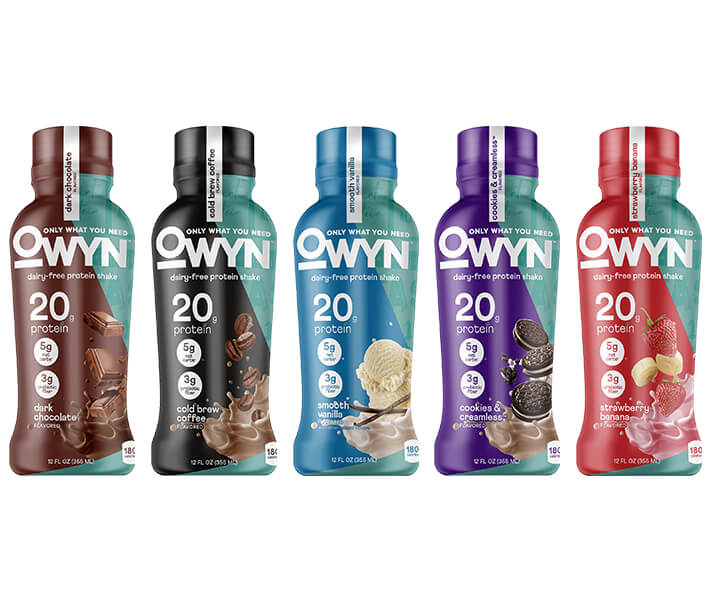
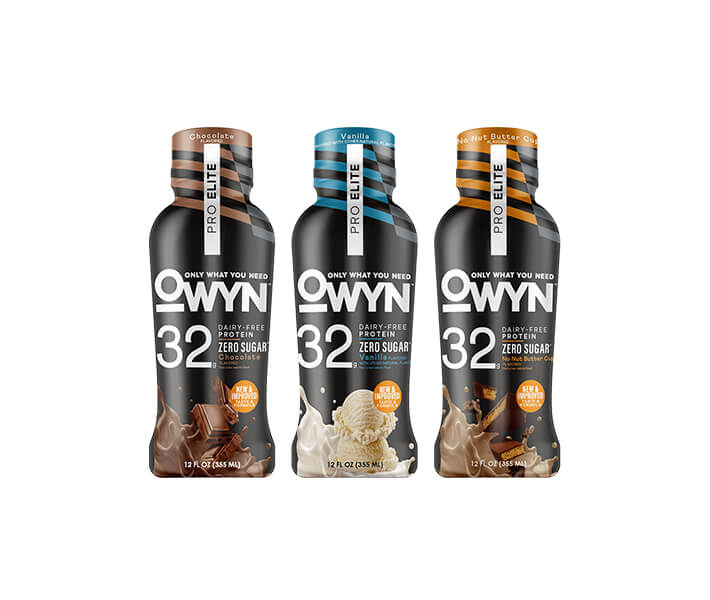
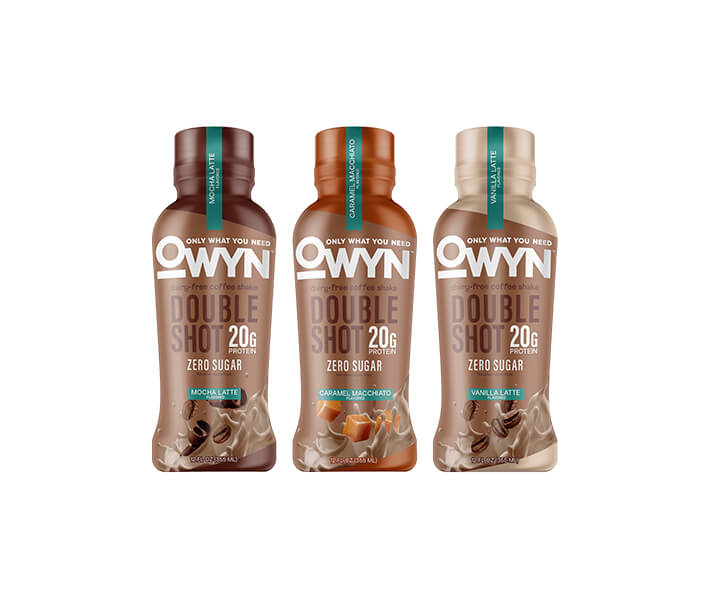
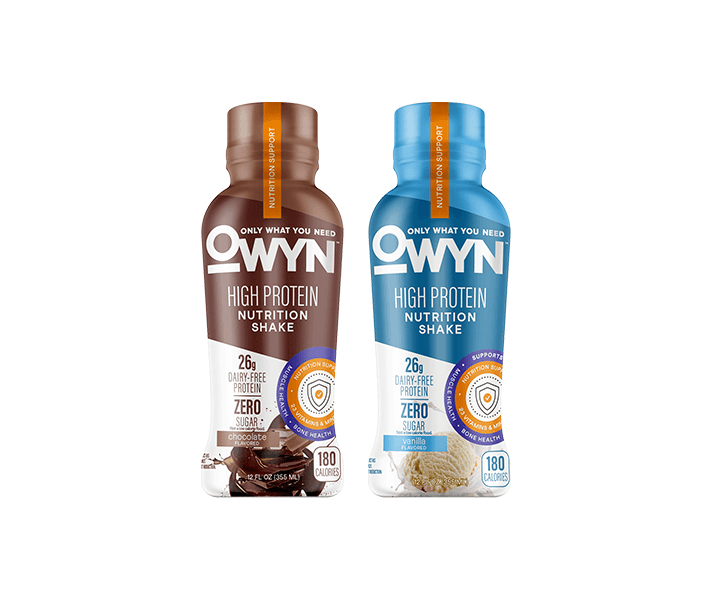
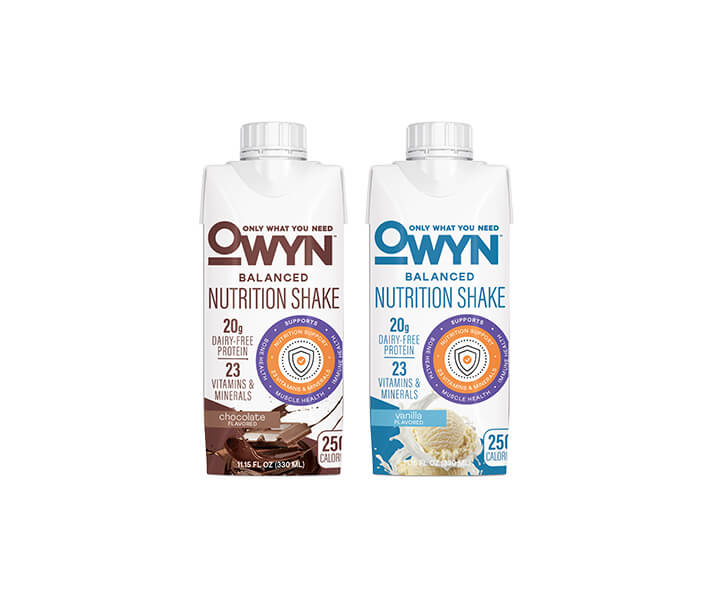
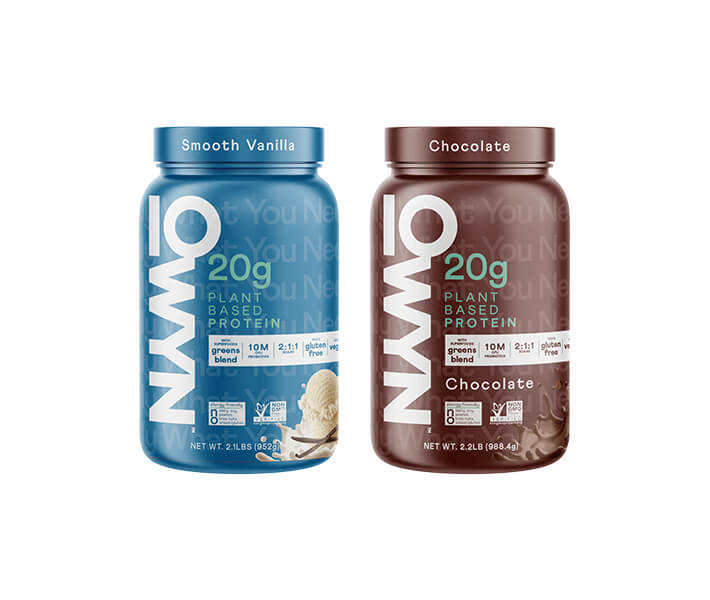
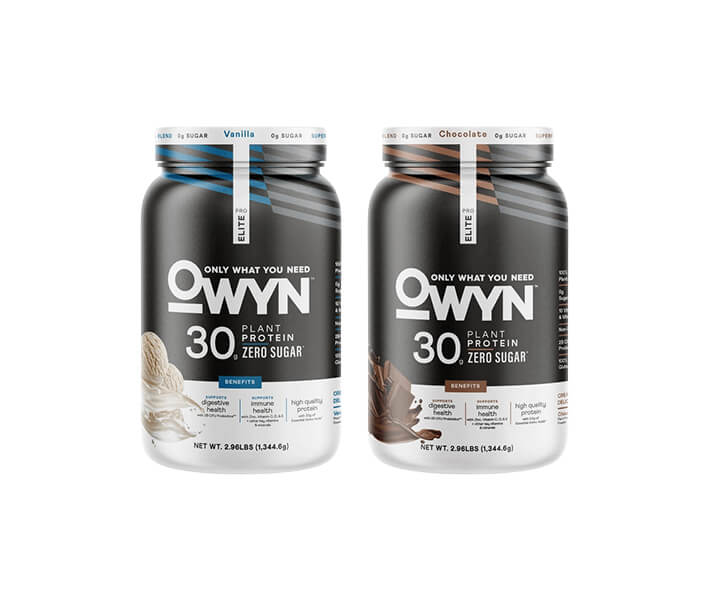
Plant-based foods can increase your good cholesterol. In fact, cholesterol only comes from animals. This means that plant foods, such as fruits, vegetables, whole grains, nuts, seeds, soy products, and plant-based milks do not have any cholesterol. This leads to the support of many studies that a plant-based diet can increase your HDL and decrease your LDL, which in turn lowers overall blood cholesterol€”a good thing! Therefore, increasing your intake of plant-based foods can have a ton of benefits on your short and long-term effects. Thus, a vegan diet is positively correlated with low cholesterol levels. With that being said, there are plant-based protein products that are 100% vegan and cholesterol-free, such as OWYN. OWYN's plant-based shakes use a multi-source protein blend of pea, pumpkin seed, and flaxseeds for a complete essential amino profile to promote optimal daily health, especially cholesterol levels that can improve your health!
