




Non-Dairy vs. Dairy-Free: What’s the Difference?

Non-dairy and dairy-free seem to have one factor in common €” the absence of milk.
What you might not realize is that non-dairy products can still contain milk! Dairy-free means the complete absence of all dairy ingredients, including lactose. While non-dairy refers to products that can contain a milk derivative. You can find milk derivatives in non-dairy protein shakes, non-dairy creamer, and non-dairy cheeses.
A few milk derivative examples include:
The distinction between non-dairy and dairy-free is important when you have a milk allergy or intolerance, or are following a vegan diet. The quickest way to identify a product that contains milk derivatives is by looking for "contains: milk" on the ingredient list.
You might be wondering how products can contain dairy, even though they are labeled non-dairy. Many years ago, a regulation was created to prevent dairy consumers from mistaking dairy-like foods for dairy products. It wasn't intended to help dairy-free consumers from identifying foods with milk ingredients.
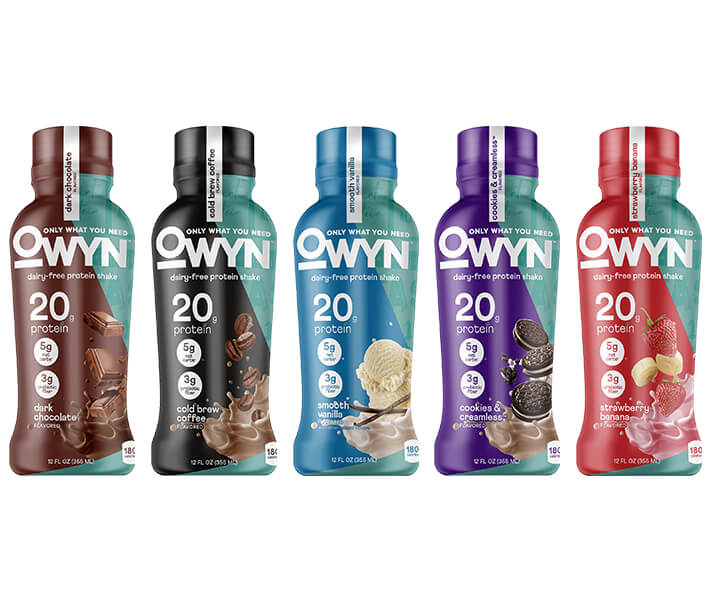
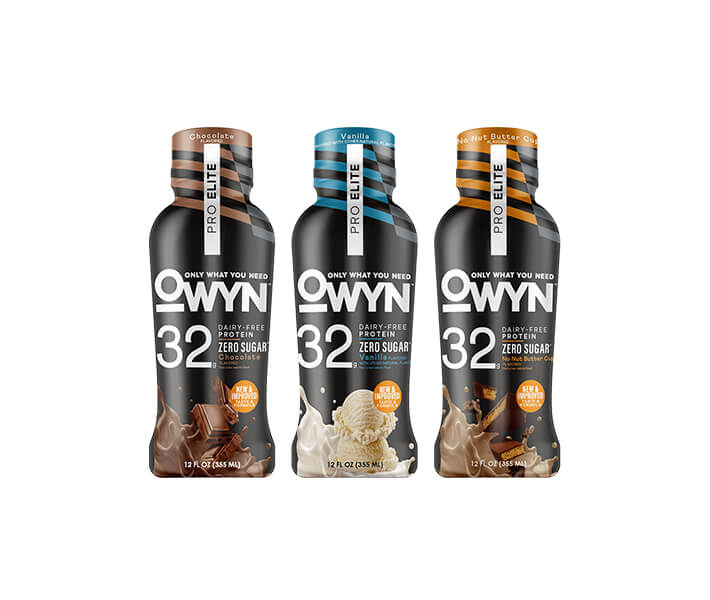
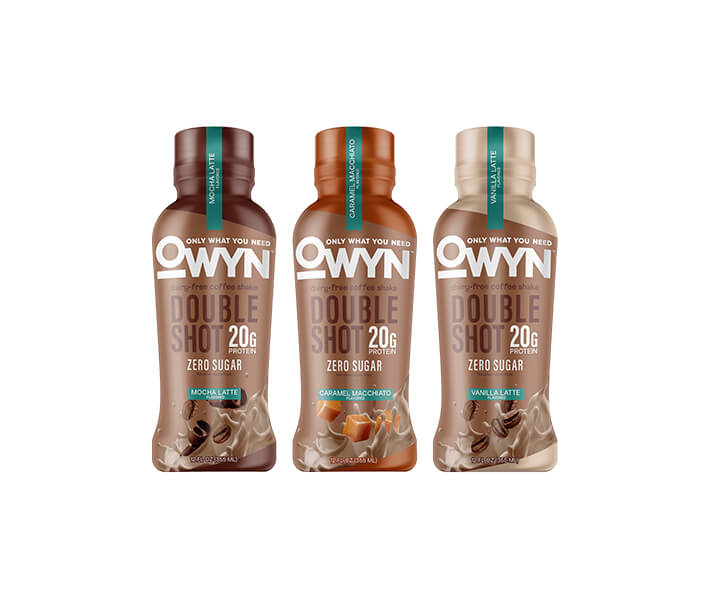
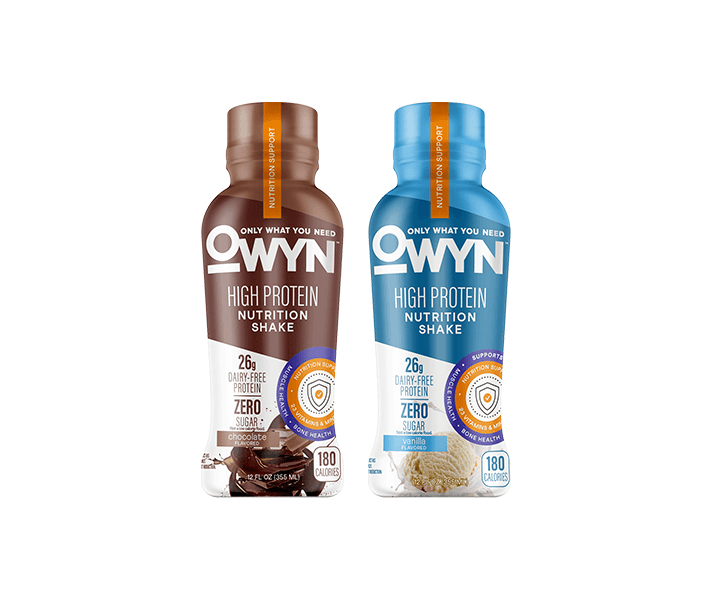
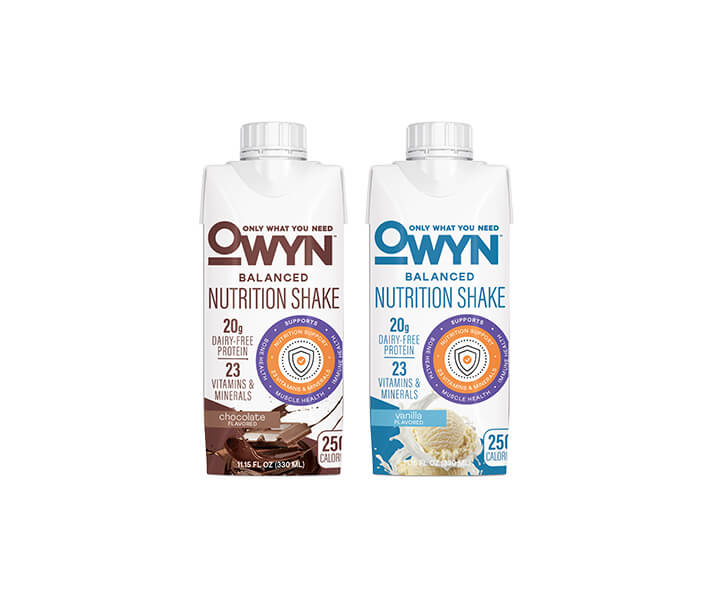
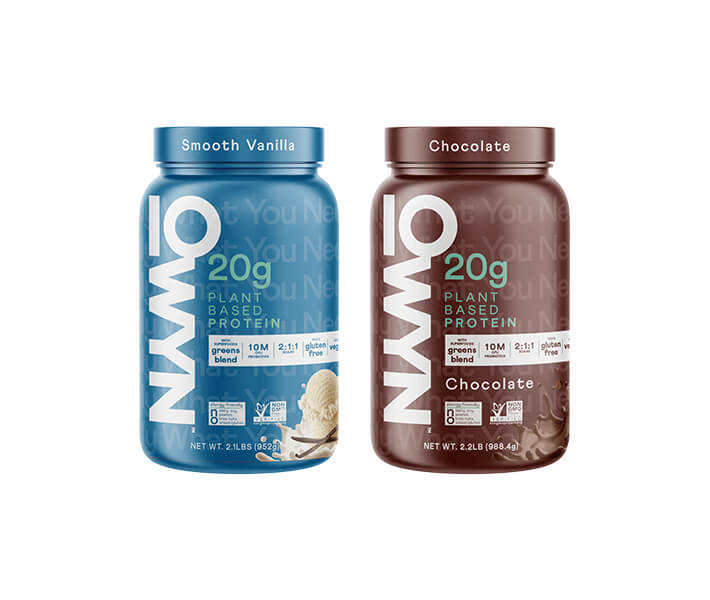
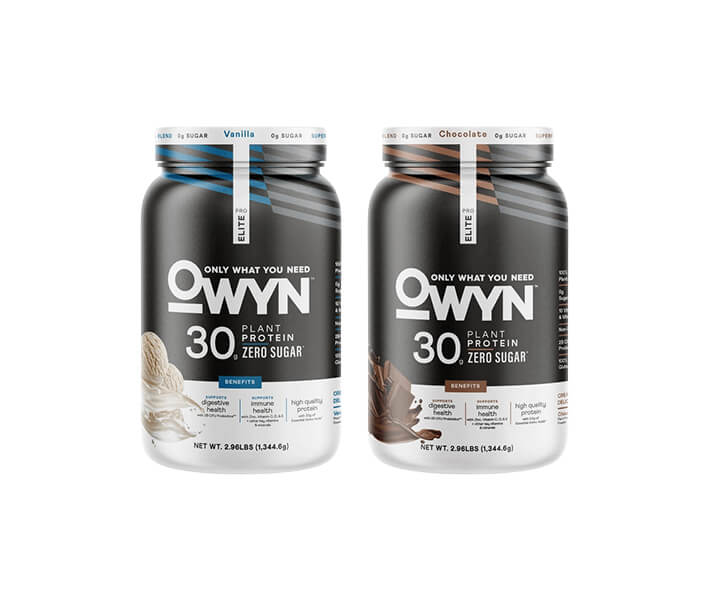
OWYN's vegan protein shakes are 100% dairy-free and never contain any dairy or milk derivatives. Every ingredient and the finished product are tested to ensure there is no cross contact with the top 8 allergens, including milk.
Some helpful tips that make it easy to identify a dairy-free product include:
