




Why Eating A High Protein Diet is Essential For GLP-1 Patients

The Role of a High-Protein Diet in GLP-1 Medication Management
Adopting a dietary regimen that supports overall health is important while taking GLP-1 medications. Among the dietary considerations, a high-protein diet is paramount for individuals relying on GLP-1 therapy. Protein plays a dual role in diabetes management and support for those undergoing GLP-1 treatment.
Understanding GLP-1 Medications and Protein's Role
GLP-1 medications work by mimicking the actions of a hormone called glucagon-like peptide-1, which helps regulate blood sugar levels. These medications help control blood sugar by increasing insulin secretion, reducing glucagon secretion, and slowing down the emptying of the stomach. GLP-1 medications can support weight loss, manage blood sugar, and improve metabolic health.
Benefits of a High Protein Diet for GLP-1 Patients
For individuals undergoing GLP-1 therapy, adopting a high-protein diet offers several advantages tailored to their unique needs:
1. Enhanced Blood Sugar Control: Protein-rich foods have lower impact on blood sugar levels compared to carbohydrates, facilitating more stable glucose levels throughout the day. This synergizes with the effects of GLP-1 medications, contributing to improved glycemic control.
2. Satiety Promotion: Protein's satiating effect helps satisfy hunger and reduces the urge to overeat, supporting weight management efforts. GLP-1 patients with increased satiety can maintain a healthy eating pattern and prevent dramatic blood sugar fluctuations.
3. Muscle Preservation: Preserving lean muscle mass is crucial for individuals with diabetes, as it influences metabolic rate and glucose utilization. A high-protein diet alongside physical activity aid in muscle maintenance, complementing the metabolic benefits of GLP-1 medications.
4. Weight Management Support: High-protein diets have been associated with greater weight loss and fat loss, while preserving lean tissue. For GLP-1 patients aiming for weight management, this dietary approach aligns with treatment goals, promoting better metabolic outcomes.
Incorporating Protein into the GLP-1 Management Plan
To optimize the benefits of a high-protein diet for individuals on GLP-1 therapy, practical dietary strategies include:
1. Prioritizing lean protein sources such as tofu, tempeh, and legumes.
2. Balancing meals with a mix of protein, healthy fats, and fiber to support overall nutrition.
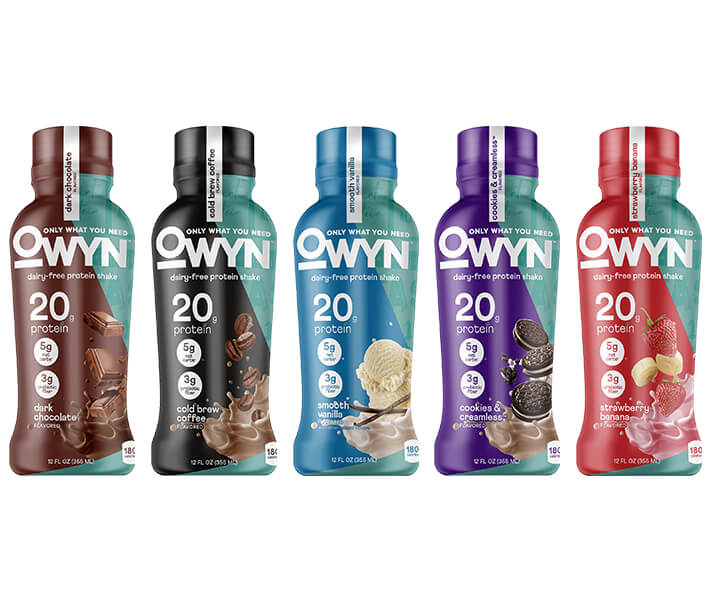
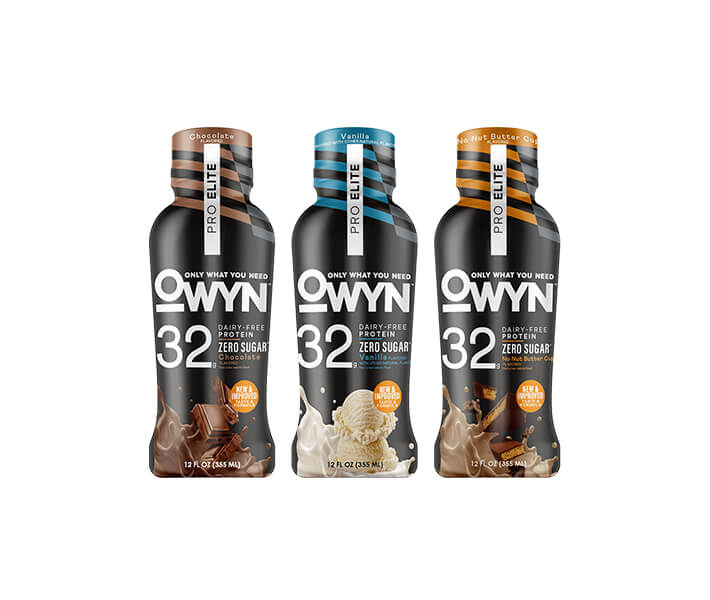
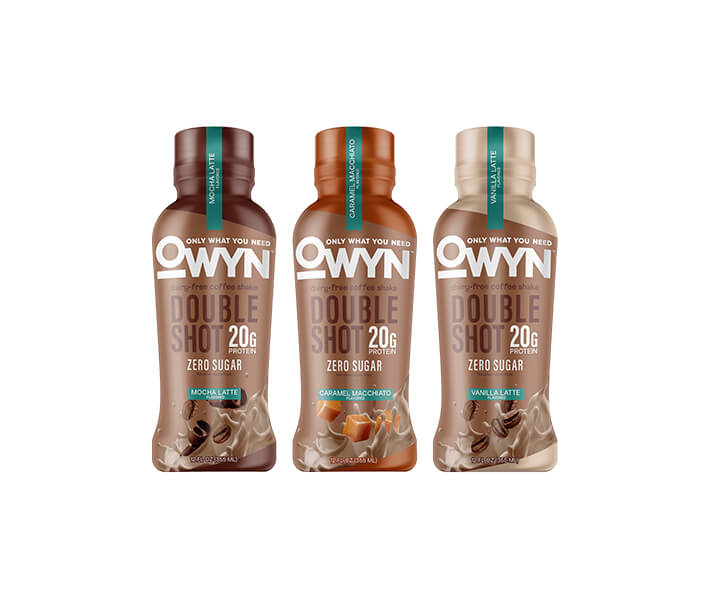
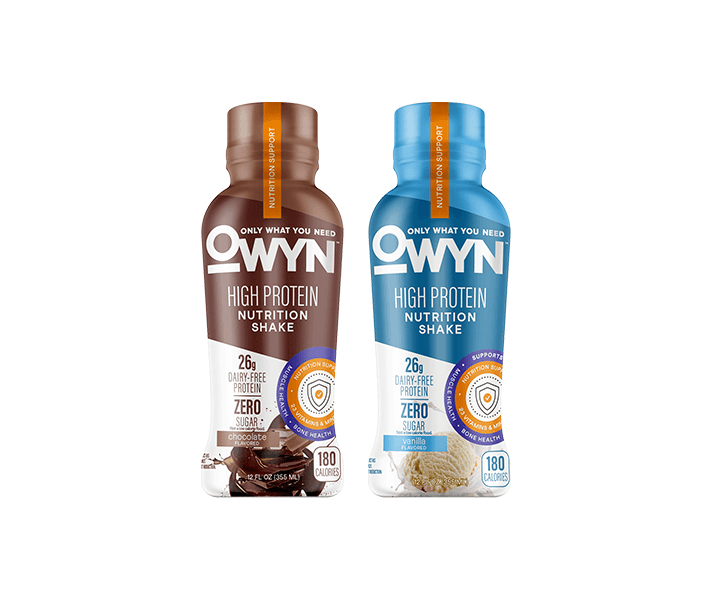
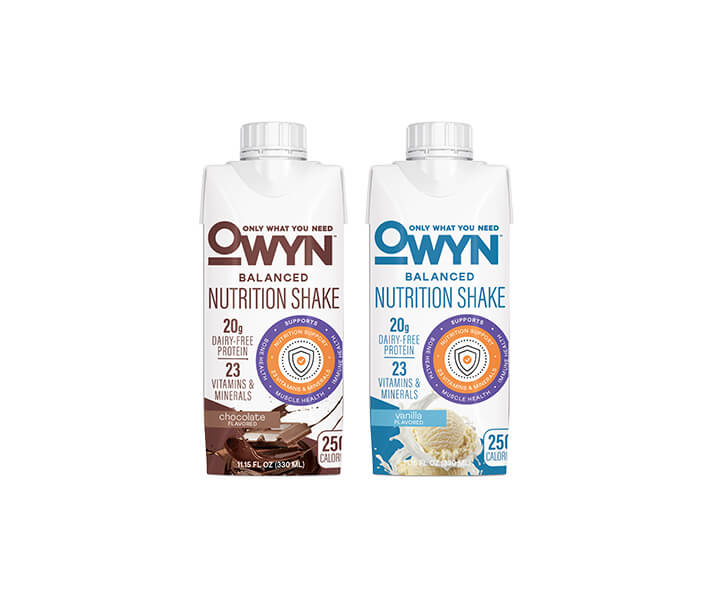
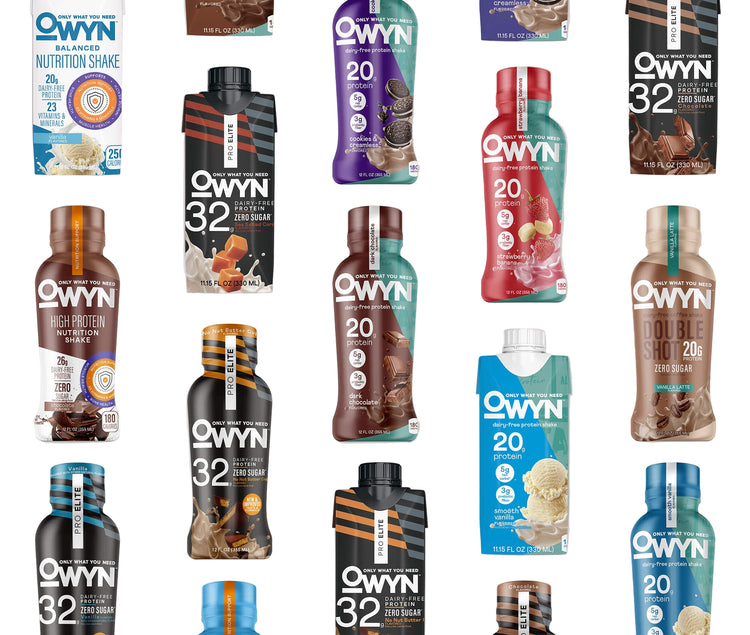
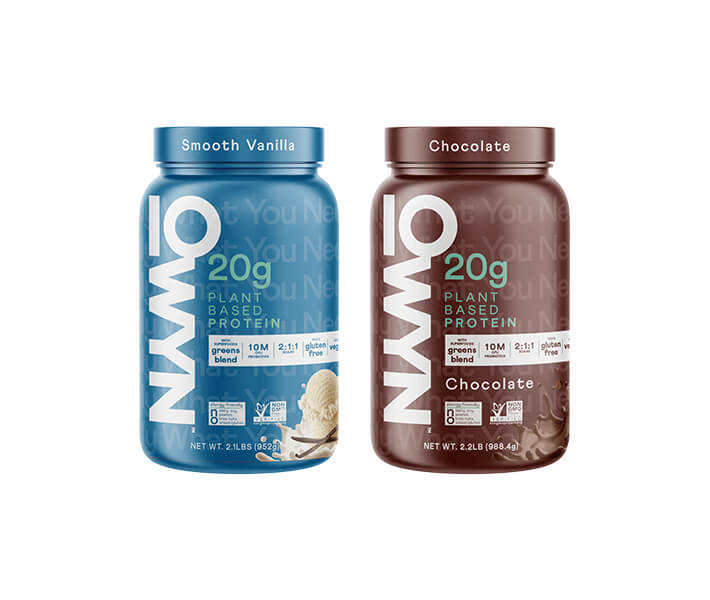
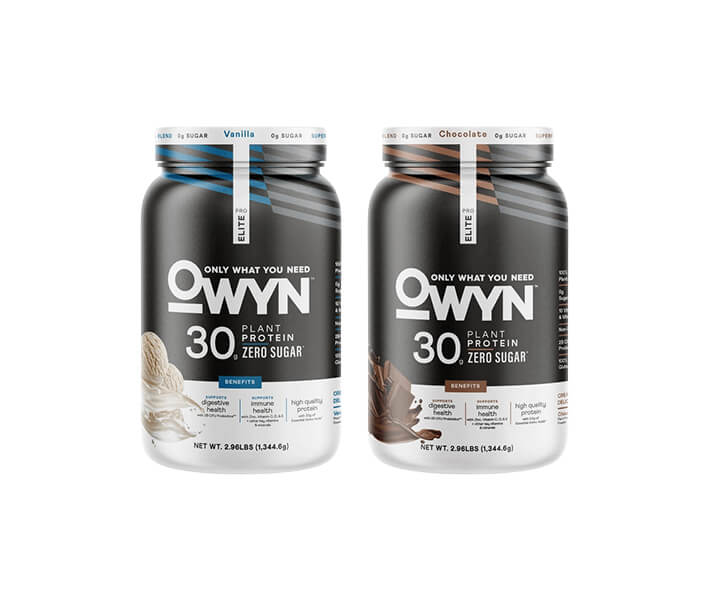
3. Incorporating protein-rich snacks to maintain satiety between meals and prevent over-snacking. Examples include chia seed pudding, edamame, roasted chickpeas, hummus and veggies, and of course, OWYN shakes and recipes!
4. Consulting with a healthcare professional or dietitian to personalize dietary recommendations and ensure alignment with individual health goals.
Protein plays a vital role in diabetes management, particularly for individuals undergoing GLP-1 treatment. Embracing a high-protein diet offers tailored benefits that align with the mechanisms of GLP-1 medications, including enhanced blood sugar control, satiety promotion, muscle preservation, and weight management support. By incorporating protein-rich foods into their daily meals and snacks, GLP-1 patients can help improve their overall health and well-being.
